
Low Maintenance Landscaping Ideas for Hot, Dry Climates
Low Maintenance Landscaping in a Hot, Dry Climate Actually Works — Here's How
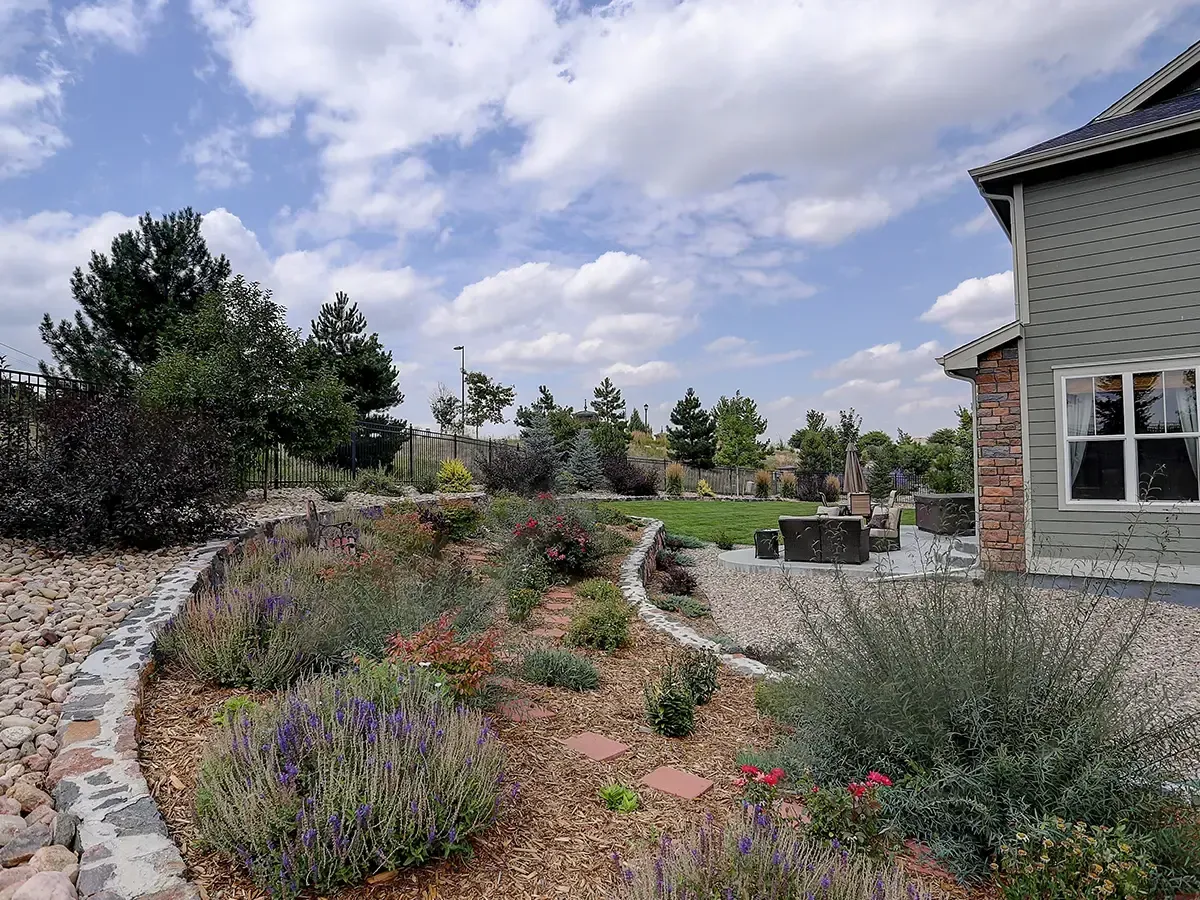
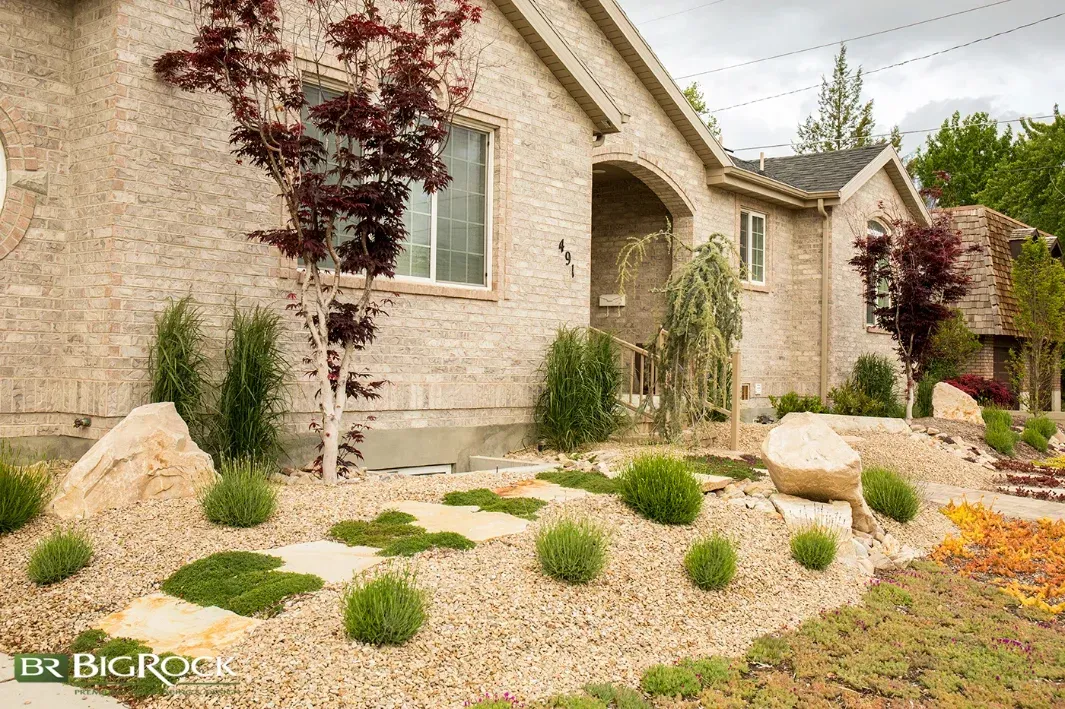
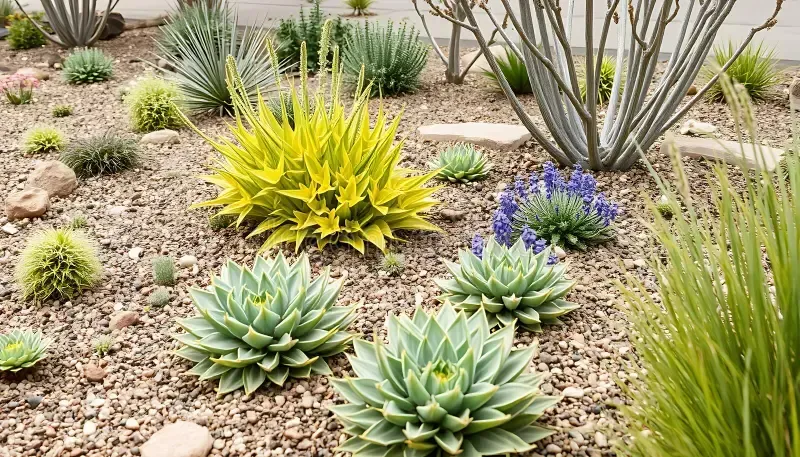
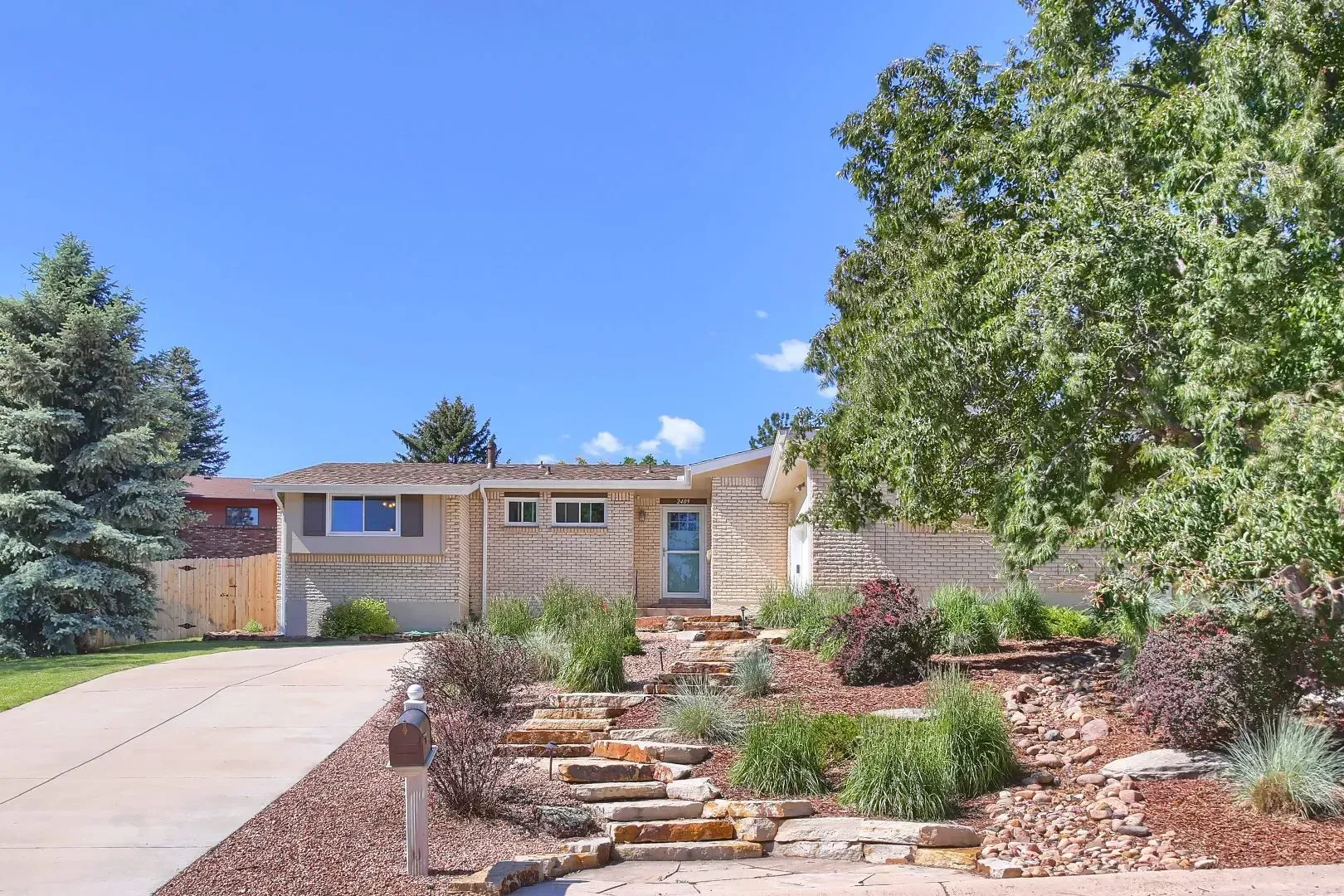
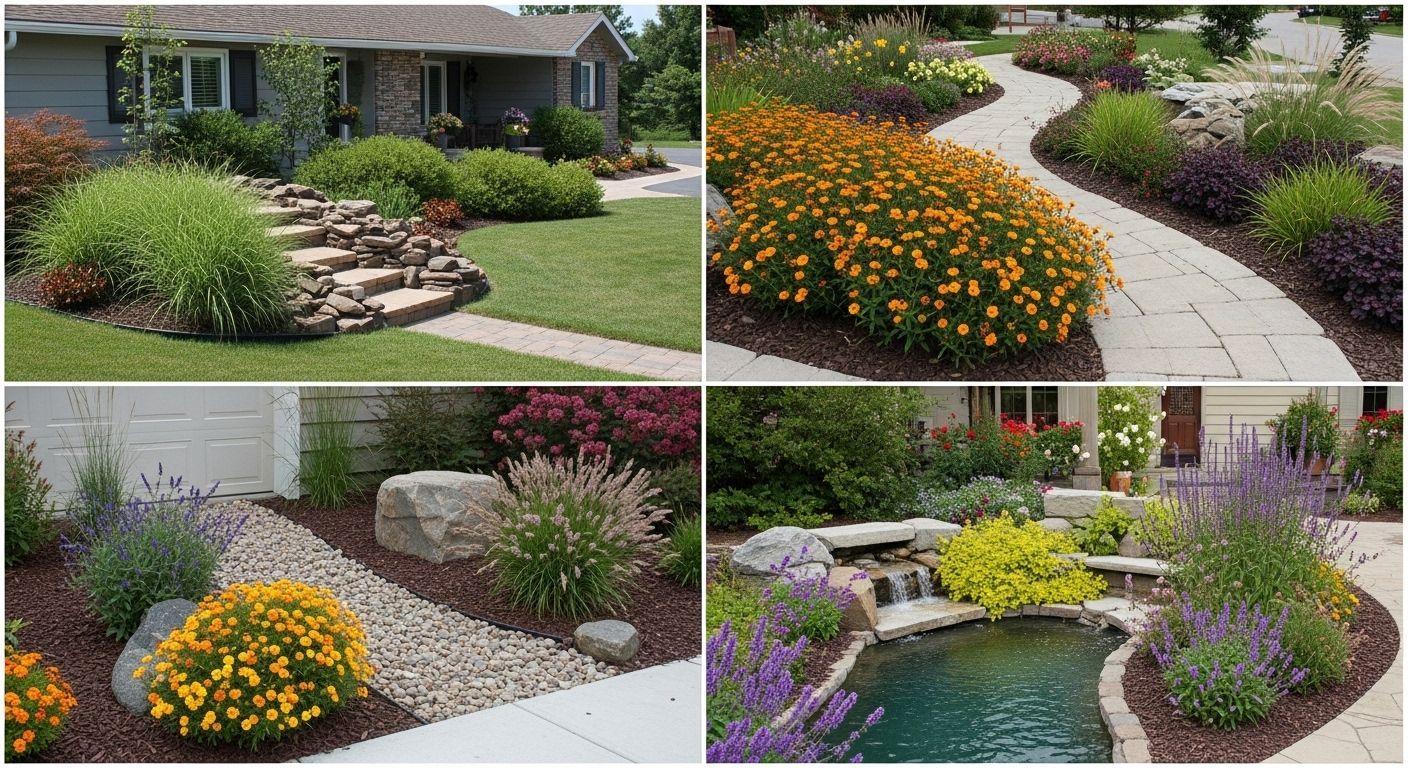
The trap most people fall into when landscaping a hot, dry yard is buying drought-tolerant plants and then treating them like they're not. They overwater, over-amend, over-fertilize, and end up with plants that never develop the deep root systems they need to actually be self-sufficient. True low maintenance landscaping in a hot dry climate starts with a mindset shift: you're not fighting the conditions, you're designing around them.
The single highest-leverage decision you'll make is plant selection, and the principle is simple — native and regionally adapted plants first, everything else second. A plant that evolved in your climate has already solved the problems you're trying to engineer around. It knows what to do with 8 inches of annual rainfall. It knows how to handle 115°F in August and a hard frost in January if you're at elevation. It doesn't need you to compensate for conditions it's spent thousands of years adapting to.
What that looks like in practice depends on where you are, but some plants show up reliably across hot, dry regions. Desert willow is one of the most underused small trees in the Southwest — it's fast-growing, produces orchid-like flowers through summer, handles drought and heat without complaint, and tops out at a size that doesn't overwhelm a typical yard. Palo verde is another excellent choice where it's hardy: the green bark photosynthesize even when the tree drops its leaves in drought, so it's never truly dormant in an ugly way. For shrubs, brittlebush and encelia light up in spring color and ask for almost nothing in return. Agaves and yuccas bring year-round structure and are essentially unkillable once established.
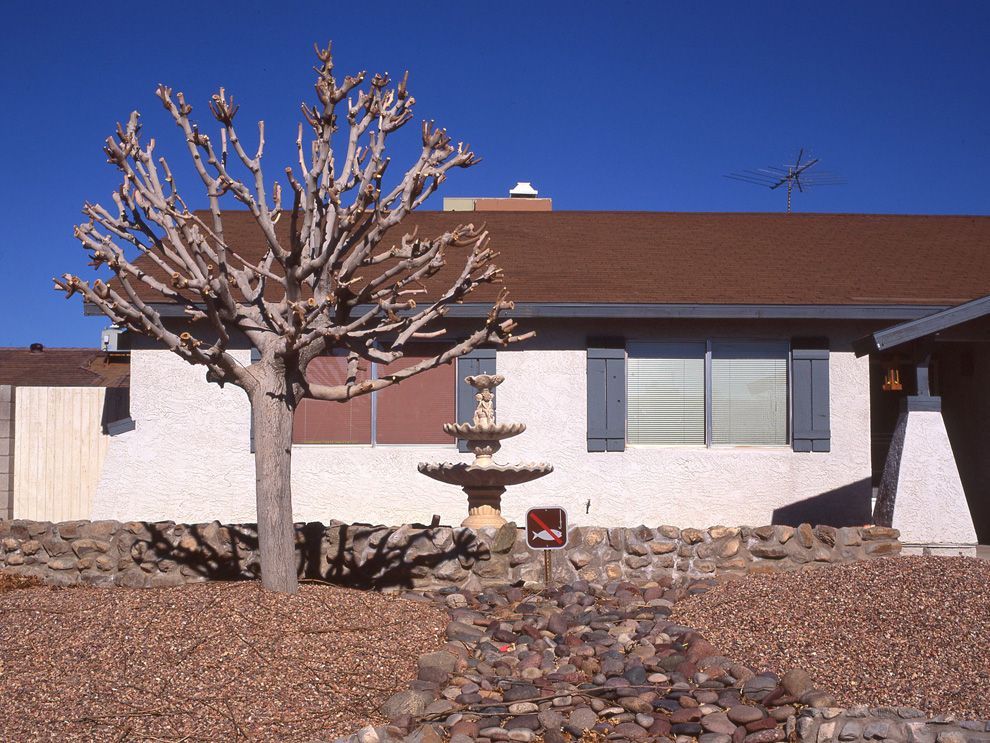
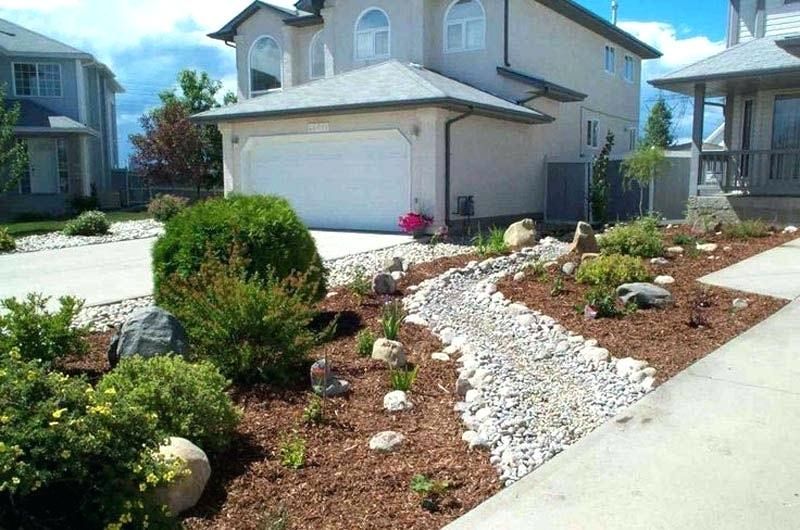
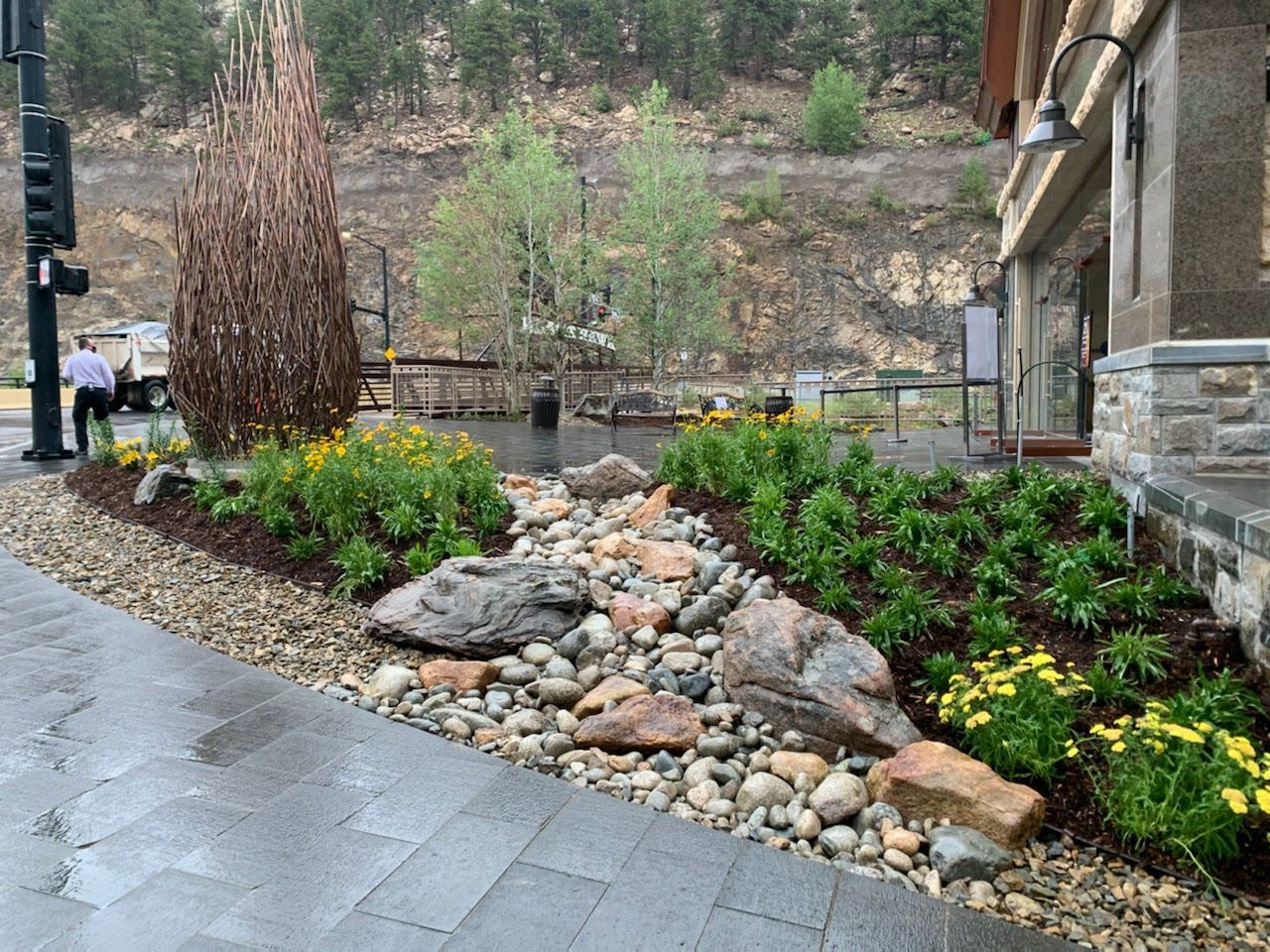
Ground cover is where low maintenance landscaping in a hot, dry climate either comes together or falls apart. Bare soil is the enemy — it grows weeds aggressively, loses moisture fast, and makes a yard look unfinished. Decomposed granite is the most common solution, and it works well: it's permeable, reflects heat, suppresses weeds when laid over landscape fabric, and reads as intentional design rather than neglect. Three to four inches is the right depth. Pea gravel and crushed rock work similarly. If you want something living, spreading natives like trailing indigo bush, blackfoot daisy, or low-growing species of Acacia can knit together bare areas over time and look far more interesting than gravel alone.
Irrigation is the piece that determines whether any of this is actually low maintenance long-term. A well-designed drip system on a smart timer is worth every penny — it delivers water directly to root zones, runs in the early morning when evaporation is lowest, and adjusts automatically for seasonal changes if you get a weather-based controller. The goal is to water deeply and infrequently, which trains roots to go down rather than staying near the surface. Surface sprinklers in a hot, dry climate are genuinely wasteful — up to 30 percent of the water evaporates before it hits the ground on a hot afternoon.
Soil amendment at planting time pays dividends for years. Hot, dry climate soils are often compacted, alkaline, and low in organic matter. You don't need to go overboard — mixing in a modest amount of compost at planting and top-dressing with a thin layer annually is enough to support soil biology without encouraging the kind of lush, soft growth that needs constant moisture. Most desert-adapted plants actually prefer lean soil; too much amendment can make them grow faster than their root systems can support.
Timing matters more than people realize. Plant in fall where winters are mild — the soil is still warm enough for root development, temperatures are cooling, and plants get several months to establish before facing their first brutal summer. Spring planting works but requires more attentive watering through that first hot season. Either way, the first year is the critical window. Water regularly during establishment, then gradually reduce frequency as the plant proves itself.
Once you've got the right plants in the right soil with a smart irrigation system and good ground cover, the ongoing work in a well-designed low maintenance landscaping scheme for a hot, dry climate is genuinely minimal. Pruning a few shrubs in late winter, refreshing decomposed granite every couple of years, clearing out any weeds that push through — that's mostly it. The landscape does what it was designed to do, the plants handle the heat on their own, and you spend a lot less time and water trying to keep things alive than anyone with a traditional lawn ever will.
That's the actual goal: build it right once, then let it take care of itself.
Call us at 956-201-7567 or contact us for your free quote.
Get the lawn or garden of your dreams. It’s easier than you think! Contact us today and we’ll beautify your home or commercial property. Call us at 956-201-7567 or send us a message using the form below and we’ll get back to you as soon as we can.
