
How to Keep Your Landscaping Alive During a Water Restriction
Your Yard Doesn't Have to Die When Water Restrictions Hit
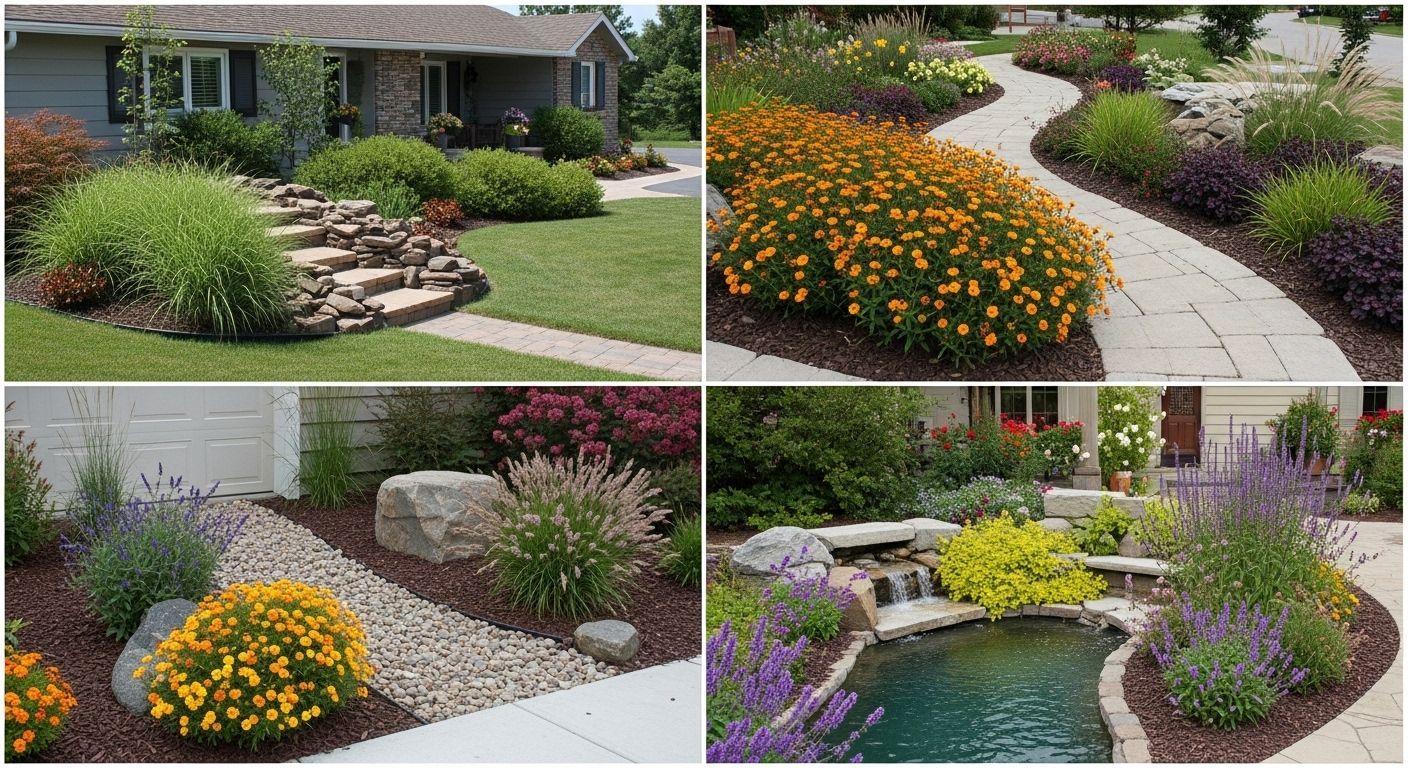
Water restrictions have a way of showing up at the worst possible time — mid-summer, when heat is already stressing everything you've planted, and suddenly you're down to watering twice a week on assigned days. If you've spent real time and money on your yard, that's a stressful situation. But landscaping during water restrictions doesn't have to mean watching things slowly die. With a few smart adjustments, most yards can get through it in better shape than you'd expect.
The first thing to accept is that your watering schedule needs to change before restrictions force it to. A lot of homeowners water frequently but shallowly — a little every day or every other day. That trains roots to stay near the surface where they can get regular moisture. When restrictions cut that back, shallow-rooted plants feel it immediately. The fix is to shift toward deep, infrequent watering even before you're required to. Water longer and less often. This pushes roots deeper into the soil where they can access moisture that doesn't evaporate as quickly. Plants with deeper root systems are dramatically more resilient when the watering schedule gets cut.
When you water matters almost as much as how much you water. Early morning — before 9 or 10 a.m. — is the right window. The soil absorbs more, the leaves dry before the heat of the day (which reduces fungal issues), and you lose far less to evaporation than you would watering at noon or in the afternoon. Evening watering keeps moisture sitting on foliage overnight, which creates its own problems. Most water authorities schedule allowed watering days with this in mind, but if you have flexibility in your window, use the morning.
Mulch becomes your best friend during a restriction period. A 3- to 4-inch layer of wood chip or shredded bark mulch around your plants and trees dramatically slows evaporation from the soil surface — studies consistently show it can cut water loss by 50% or more. If you haven't mulched your beds, doing it now is probably the single highest-return action you can take. It also regulates soil temperature, which reduces plant stress in the heat of summer. Many cities and counties offer free or low-cost mulch from municipal composting programs, so it's worth checking before you buy bags from a garden center.
Triage your plants honestly. Not everything in your yard has equal value or equal survival odds. Established trees and large shrubs have deep roots and significant drought tolerance once they've been in the ground a few years — they should be your lowest concern. Newly planted material from the past year or two needs the most help because those root systems haven't had time to establish. Annual flowers and vegetable gardens are high-demand and low-priority in a survival situation. If you have to make hard choices, water your trees and newly planted perennials first, let the annuals go, and accept that the lawn is probably going to brown out. Grass goes dormant under stress — it looks dead but usually isn't. A healthy lawn will green back up when water becomes available again.
For anyone doing serious landscaping during water restrictions, a soil moisture meter is a surprisingly useful tool. They're inexpensive, and they tell you what you can't tell by looking at the surface — whether the soil a few inches down is actually dry or still has moisture. A lot of people overwater because the top inch looks dry, when the root zone is still adequately moist. Knowing the difference means every gallon you're allowed to use goes where it actually counts.
If you have an irrigation system, get it audited or walk it yourself looking for inefficiencies. Clogged or misaligned heads, broken drip emitters, sprinklers hitting pavement — all of these waste water that you now can't afford to waste. Adjusting your system to match your restricted schedule, zone by zone, is the kind of detail that keeps your yard healthier than your neighbors' with the same water budget.
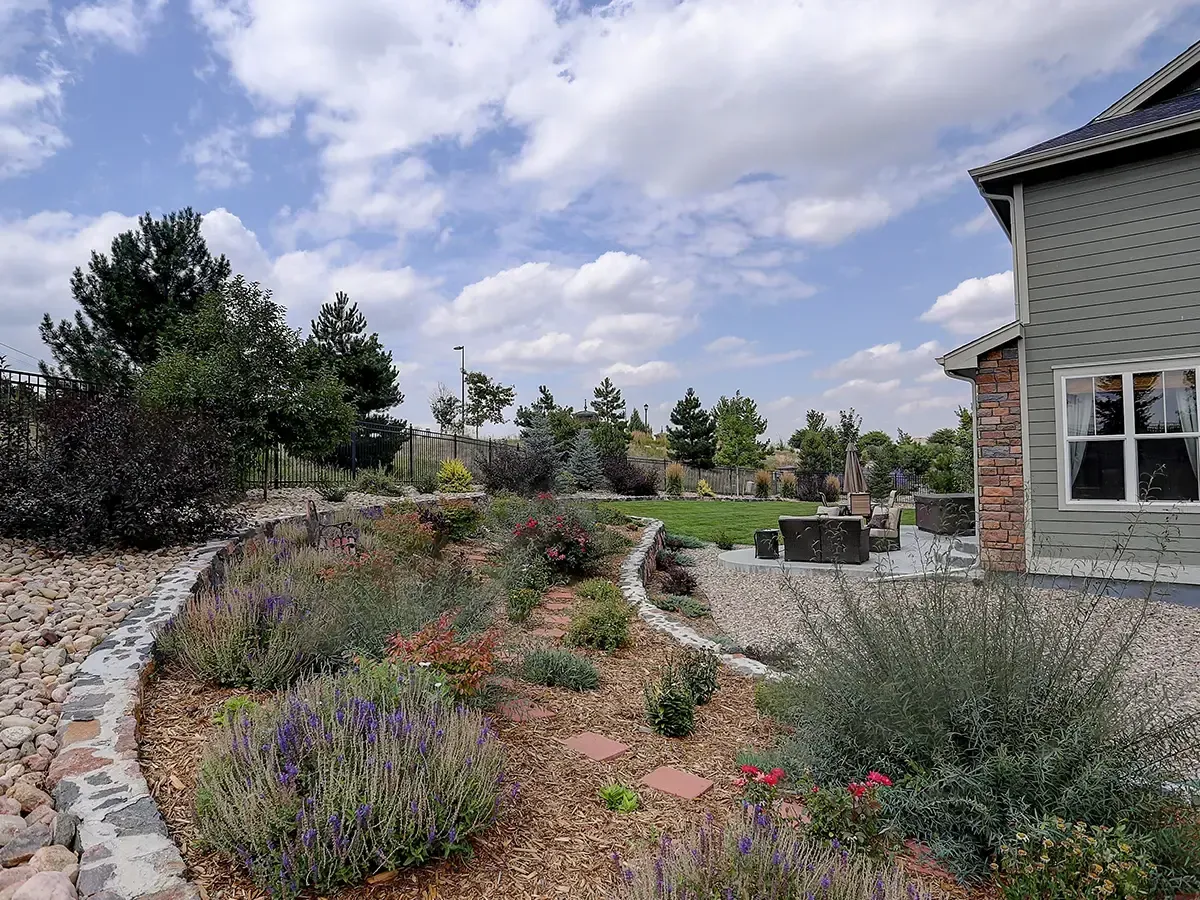
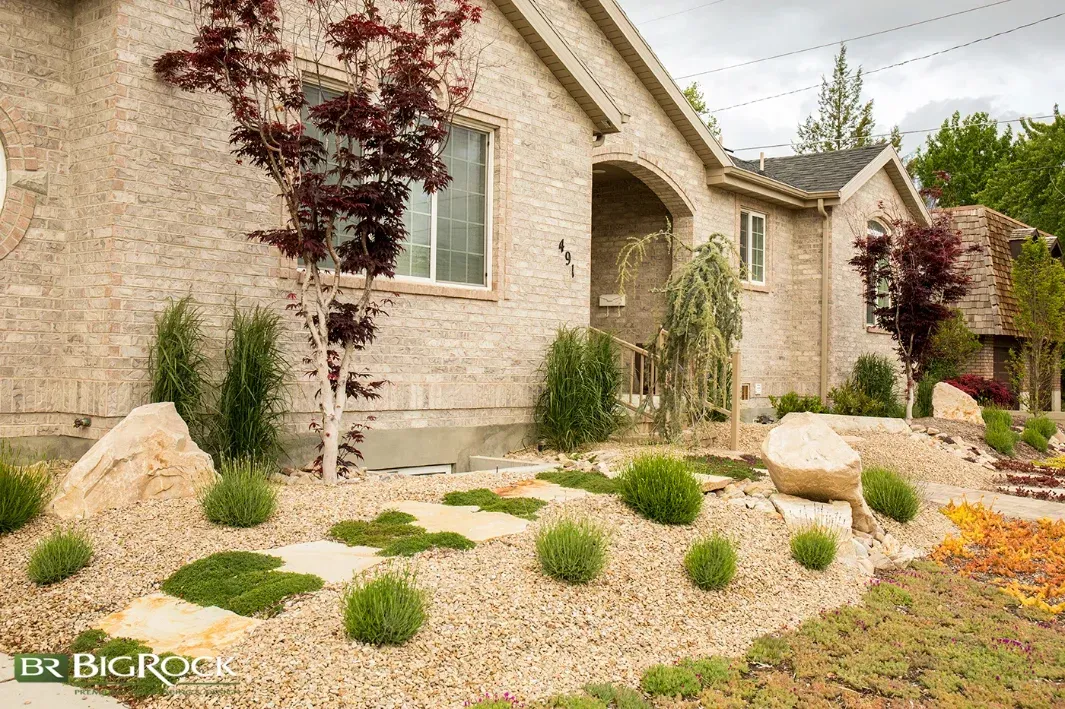
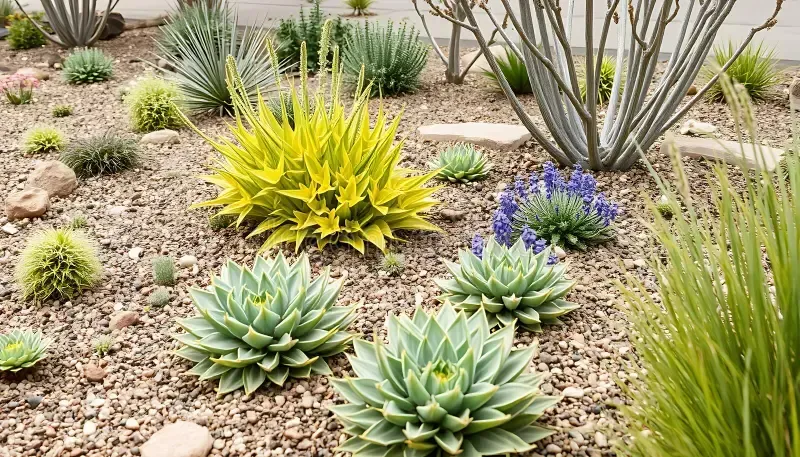
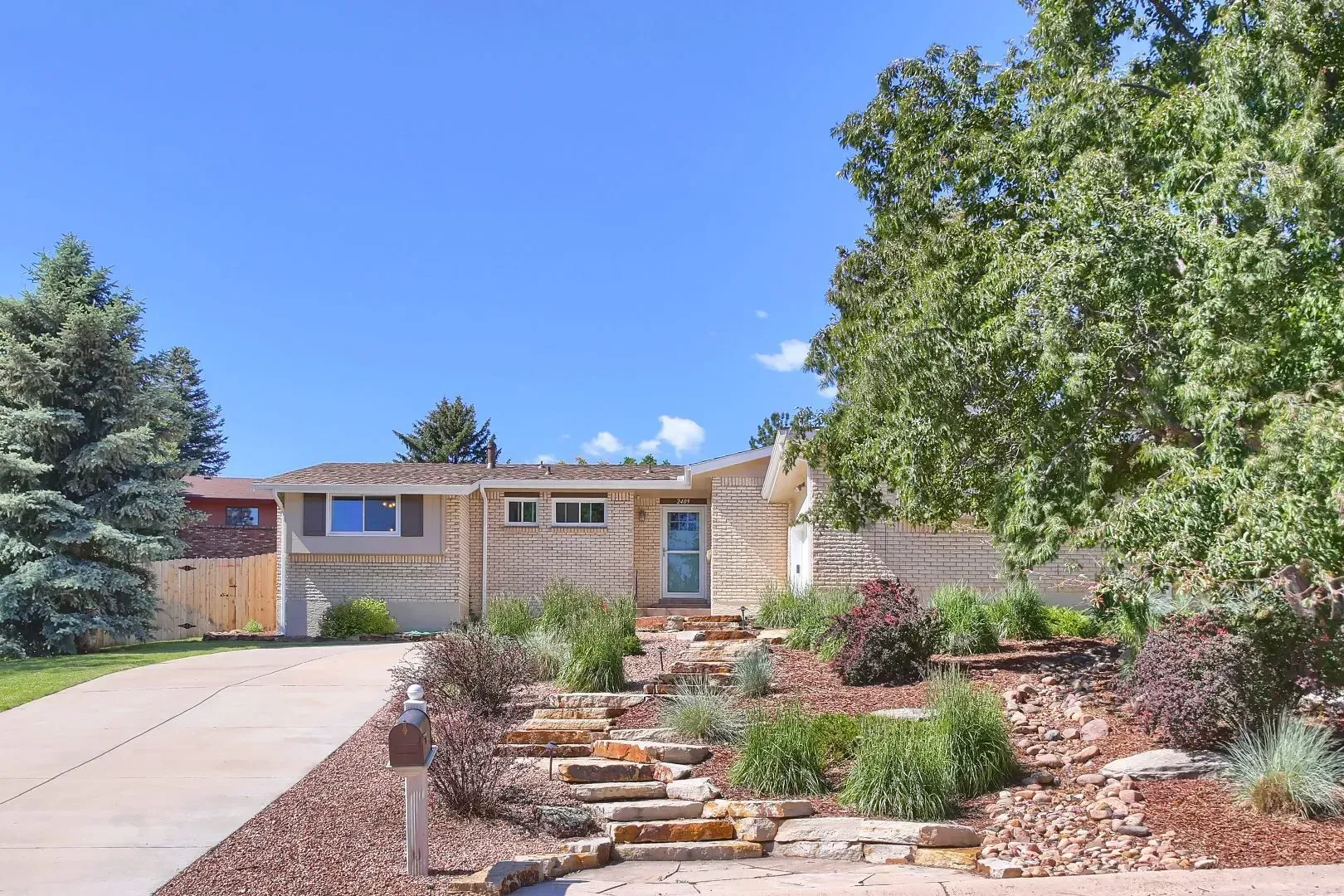
One longer-term thought: surviving landscaping during water restrictions is a lot easier when your yard isn't entirely dependent on supplemental irrigation to begin with. If this experience is making you reconsider what you're growing, that's a reasonable conclusion to reach. Native plants and climate-adapted species that match your region's natural rainfall patterns are genuinely lower-stress — for the plants and for you. This doesn't mean ripping everything out, but as plants age out or if you're adding new beds, it's worth choosing with water efficiency in mind.
Restrictions are temporary. The habits you build around them don't have to be.
Call us at 956-201-7567 or contact us for your free quote.
Get the lawn or garden of your dreams. It’s easier than you think! Contact us today and we’ll beautify your home or commercial property. Call us at 956-201-7567 or send us a message using the form below and we’ll get back to you as soon as we can.
